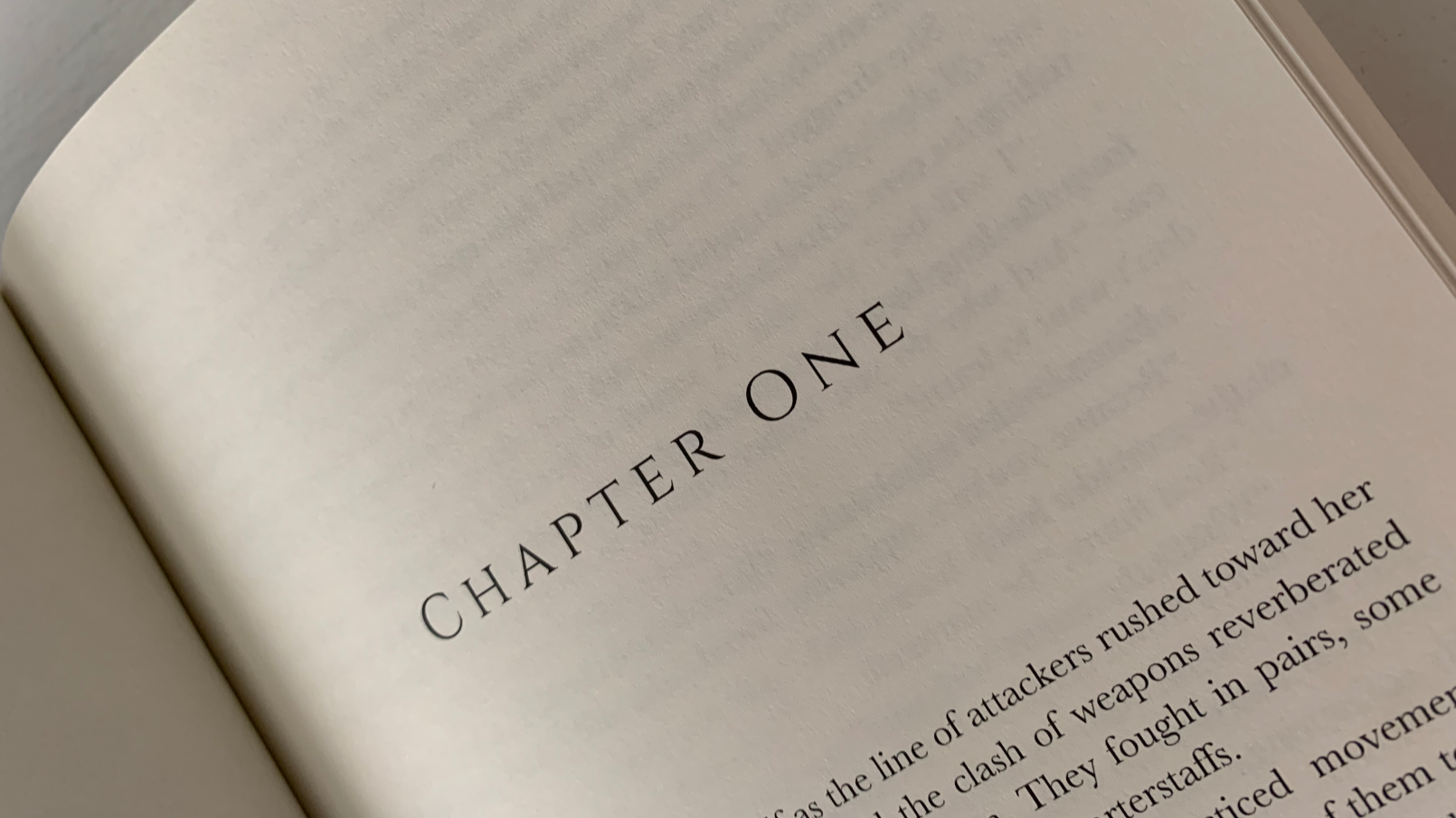
Overcoming The Fear of Putting Your Work Out There
But sometimes, our irrational fears limit us. We writers spend time, heart and brain space crafting our tales, usually with the intention of sharing them with the world. Committing that much of ourselves to something we’ve created and then holding it up for the world to see is terrifying. We are faced with potential rejection or apathy, and that can be soul-crushing. The fear of that experience can often keep us from putting our work out there at all. To put your work out there and actually receive rejection or apathy can convince us that it’s not worth it.
I've written several blog posts on writing over on our writers' group blog, some of which I'd like to share here as well. This one was originally posted on March 22, 2023.
We all have our irrational fears – clowns, alien abductions, zombies, the three little circles formed by the lenses of an iPhone (also known as trypophobia.) Even if we haven’t experienced actual trauma from irrational fears, they make us uncomfortable and this leads us to avoid them.
Perhaps we have good reasons for this – our peace of mind, for example. Zombies scare the crap out of me, though thankfully I’ve never actually encountered a real one. I know that a zombie movie or show will give me nightmares, so I avoid them like, you know, the plague. And I sleep better for it. Good strategy.
But sometimes, our irrational fears limit us. We writers spend time, heart and brain space crafting our tales, usually with the intention of sharing them with the world. Committing that much of ourselves to something we’ve created and then holding it up for the world to see is terrifying. We are faced with potential rejection or apathy, and that can be soul-crushing. The fear of that experience can often keep us from putting our work out there at all. To put your work out there and actually receive rejection or apathy can convince us that it’s not worth it.
It's important to remember, though, that opinions are subjective. Just because one publisher, or one audience, or one contest doesn’t accept your work, doesn’t mean your work sucks. Really! Often it comes down to a numbers game – how many submissions there were, and where your work falls in that hierarchy. It may even come down to something as little as a fraction of a point, or not enough space. That doesn’t mean your work was bad! It just means it didn’t fit this particular situation. It may not have fit one gatekeeper, but maybe it fits another. Knowing this gives us a little perspective.
I am irrationally terrified of rogue waves. I’ve had the same ship sinking nightmare since I was a young child. Anytime I see a film or show that involves a ship sinking I’ll have nightmares for a week – some new ones, but it also dredges up the same one from my youth. I can’t handle being on boats, big or small. They terrify me!
Recently, Meta shoved a reel of a ship in bad weather into my feed, and my first reaction was to swipe it away and avoid the fear. But I found myself actually watching it – the swell of the wave climbing higher and higher as the bow of the ship pitched steeply, holding my breath until the ship fell sharply and the wave crashed over it. I was transfixed, and horrified, and I braced for the inevitable nightmares.
But for the first time ever, they didn’t come. And because I watched that one reel, Meta keeps putting more and more wave footage into my feed. I watch them all in horror and awe from the safety of my couch, and I haven’t had a single ship-sinking nightmare. Mind you, I’ve no intention of getting on a boat if I can avoid it, but it got me thinking about that irrational fear and how just letting myself be open to it, instead of instantly rejecting it, has kept the nightmares at bay.
If we look at fear as entering a dark room, where giant shapes loom in the corners, we can only imagine them as monsters (or clowns?) that are waiting to get us. But what happens if we turn on a light? That thing we’re convinced is a giant beast is actually just an armoire, or a dresser or coat rack. If we spend a moment with our fears and examine them for what they really are, it can take away the bite. And maybe with enough practice, the discomfort.
So how do we apply this as writers to our fears of rejection and apathy? We turn on the light. We allow our minds to look at what we’re afraid of, sit with it, understand it, and then move into that room despite it. Here are some things to try:
EXPOSURE THERAPY
The more you put your work out there, the more opportunity you have for a win. If you can steel yourself to accept rejection as a part of the process and not as a personal affront, it makes it easier to keep submitting. As I said earlier, often it comes down to miniscule things that get your piece rejected, not the quality of it. Keep that in mind, and keep submitting.
SET YOURSELF UP FOR SUCCESS
You have a better shot at getting your work accepted if you take the time to understand what you’re submitting to. If it’s a contest, magazine, or anthology, follow the submission guidelines. That means understanding the formatting, story length, and theme/prompt/tone they are asking for. If it specifically says not to do something – don’t do it. You are not an exception, and that’s the quickest way to get rejected. Why set yourself up for that? It’s quite common that writers don’t get accepted simply because they’ve not done their homework on submitting. Be thorough, and you'll successfully jump through the first hoop!
CONSIDER ADVICE OR FEEDBACK
If you get specific feedback from a publisher, editor, or contest reviewer that seems like good advice, consider it. I’m not saying they’re always right when it comes to how you should tell your story – we could go utterly mad if we made every single change suggested and it didn’t jive with our original vision. (We writers have the option to reject things as well!) But keep an open mind when it comes to feedback – it’s not personal. It’s usually suggestions – often from professionals – to improve our work, and a good opportunity for us to learn to be better writers and how to get published. Keep an open mind and make choices that work best for the integrity of your story.
SELF PUBLISH
If you want to ensure you won’t get rejected by agents or publishers, become an independent author. What used to be considered a vanity option for writers is now a vast, booming industry, with countless success stories of authors who’ve either made it on their own or have been picked up by publishers and agents because of the following they have created for their body of work. Yes, you will still face some rejection and apathy as an indie author (trust me, haha). But you will have much more control and flexibility as a creative and you’ll be able to take things at your own pace and comfort level as you test the waters. (Perhaps that’s why those stormy sea videos don’t scare me as much as they used to – because I’ve stepped into scary waters. Who knows!)
If you feel like you’re ready to flick on the light and face the armoires and clowns and iPhone 11 camera lenses, here is a link with tons of upcoming opportunities for story submissions:
Go forth, fellow creatives, and put your work out there! And be reassured that someone, somewhere, at some point will connect with it. And that is worth the rejections that come before it!
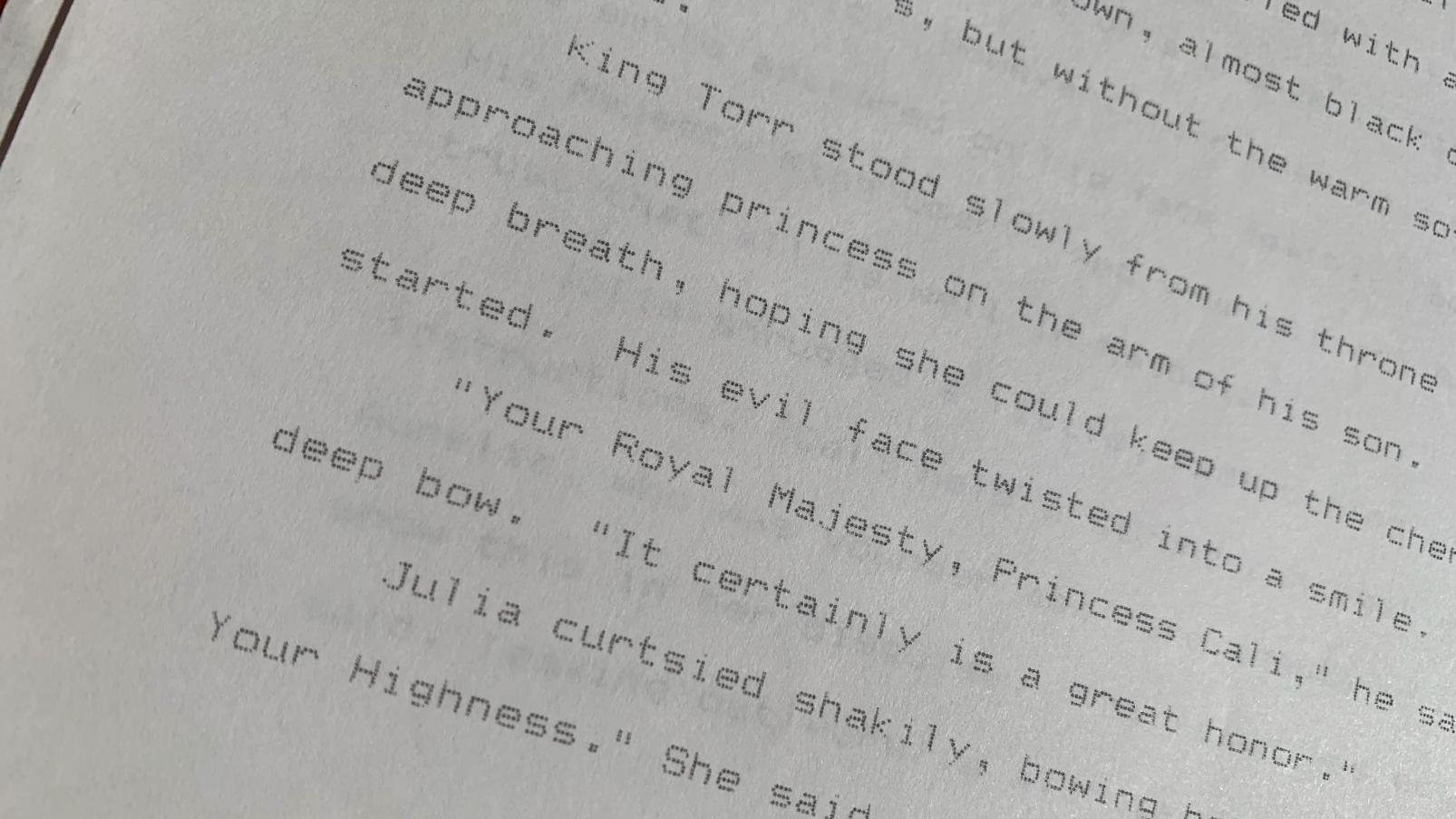
In Fantasy Novels like Archwilde, What's in a Name?
Here’s a question … when you read books, do you hear a character or place in your mind a certain way, only to find out that the author pronounces it completely differently?
Here’s a question … when you read books, do you hear a character or place in your mind a certain way, only to find out that the author pronounces it completely differently? I’ve had this problem many times in my life—the most notably was Star Wars: The Truce at Bakura by Kathy Tyers. I debated the pronunciation of Bakura with fellow Star Wars fans for years—well, years before the internet as we know it where we could look this stuff up, anyway. My western New York state accent read it as BACK-oora, but most others I knew pronounced it Ba-KOO-ra. (Interestingly, now that I’ve typed this, I’ve looked it up and it seems there is still confusion over the pronunciation of Bakura, even now, almost thirty years since it’s publication. So huh. The Internet does not know all!)
Anyway, that leads me to Azor Torr. When I’ve had discussions with beta readers of my book, everyone either asked me how I pronounce it, or just assumed it was AEY-zor (like the Azores region in Portugal). Once again, my western New York state accent wins out here—Azor’s name is pronounced: A-zor. (Like the “A” in “at” or “Apple.”)
How did I come up with the name Azor Torr in the first place? Well, keep in mind I wrote the very first draft of this book when I was 15 years old and knew little about storycraft, other than I liked stories and wanted to tell them. A lot of names in those early drafts came from looking around me and picking something in the room. For example, the name Kasdar came from the Empire Strikes Back poster on my bedroom wall. (By this point I’m sure you’re getting what a Star Wars nerd I was back in the day. Waaay before the prequels, waaay before Rey and Kylo and Mando.) I was sitting in my room, scribbling my story in my notebook and realized I needed a name for the country that neighbored Asyeran. I looked around and saw Lawrence Kasdan’s name on the poster and boom—the country was called Kasdan. Years later I decided it was too on the nose and changed the last letter to an “r.” I know, huge change, but it worked. Of course, now every time I have to write the word “Kasdarians” my brain reads it as “Kardashians,” which is annoying because I don’t keep up with the Kardashians AT ALL. (I do keep up with the Cardassians, though. But how I accidentally channeled Andrew Robinson into Lord Moffat even before I had ever seen him in Deep Space Nine is another story.)
I digress. Azor Torr’s name comes from a similar origin as Kasdar. At the time, I was working on a story that was the bones of what would would eventually become Archwilde, and the bad guy was simply named “The Devil King.” He needed a cooler name, but I had’t thought of one yet. I was in church one Sunday, and usually I had a pen with me to draw on church programs while I listened, but that day I must have forgotten a pen and instead I was flipping through the back of my Bible and looking at the pictures and glossary. Somewhere in there I saw the name Azor, and I thought that would make a cool bad guy name. Later on at home, when I was thinking of a last name for him, I looked around my room for something that would work and my eyes fell on some of the books on my shelf. One of them was a Tor Publishing book. So I thought … Azor, Tor … but add another “r.” Boom – Azor Torr was born. Incidentally, the idea for the Isle of Tor came to me many years later, and the mystery of the old crumbling tower and its origins have yet to be revealed …
Anyway, that’s the story of some of the names in my book that my 15-year-old self gifted us all back in the ’90s. Just goes to show you that inspiration is literally everywhere! You just have to look for it. (And apparently, if you need to change a name to make it work better, just add an “r!”)
I’ll share more little tidbits like this here on the blog in posts to come.
Archwilde Cover Reveal - And Why I’m Not Showing You My Characters
Until recently, I’ve never really had a clear idea of what the cover should be. I had some ideas over the years for characters in different scenes or poses on the cover—though almost always it was in the forest, so I knew that the forest would be an important element of it. But with these last few of drafts of the book I realized I didn’t want to show characters on the cover after all.
Here’s why:
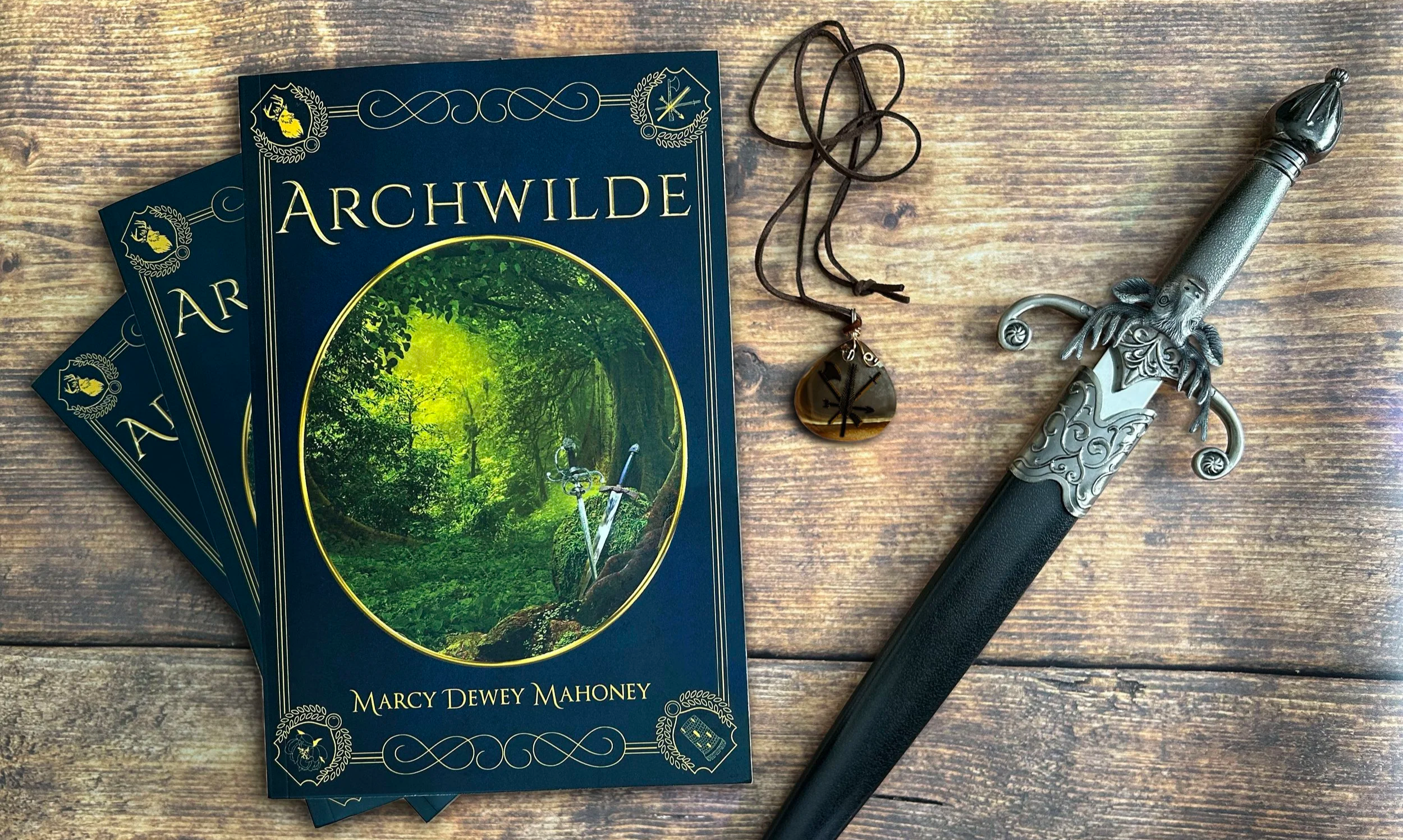
Today I’m revealing the cover design for Archwilde! Ta-da!
This beautiful cover was designed by the immensely talented @TheTypinPint! He did an amazing job of taking the amorphous vision I had in my mind and bringing it to reality. I love the two swords in the forest, framed within this beckoning portal—a window into a different world. It’s all surrounded by the crests of the main players in the book, and the gilding of the word “Archwilde” practically sparkles for being a 2D image! Bryan really hit it out of the park with this design, and I couldn’t be more thrilled!
Until recently, I’ve never really had a clear idea of what the cover should be. I had some ideas over the years for characters in different scenes or poses on the cover—though almost always it was in the forest, so I knew that the forest would be an important element of it. But with these last few of drafts of the book I realized I didn’t want to show characters on the cover after all.
Here’s why:
Have you ever read a book with a character on the cover and thought, as you read the book, that the picture on the cover does not do justice to the image in your head as you read? That happens to me all the time—especially with fantasy books. I much prefer the images that my mind conjures up. But more importantly, I wanted readers to be able to see the characters as they want to see them, and to see themselves in any character that they feel drawn to or identify with, and not have some arbitrary face or race on the cover telling them what the character looks like. Yes, I do describe some characters in my book as being fair, or warmer-skinned, but for the most part I stick just to hair and eye color and try to leave it at that. It’s a world with magic and ogres and glamouries—there’s no reason one hair color or eye color has to go with any specific skin color. That’s the beauty of writing fantasy!
I tried to consciously use phrases like “(the character’s) cheeks warmed” or “color rose in (the character’s) face” to show that it’s not white skin with a blush, unless otherwise stated. Some characters are described as ‘reddening’ or ‘flushing with anger,’ but most of them tend to be rich, older mysoginstic types. Because patriarchy.
I also tried to omit common cliché phrases like “white-knuckled” that would imply a character’s race. Some of these things are so deeply engrained in our vernacular that, being a cisgender white woman, I hadn’t even fully noticed many of them until I really started doing the work to deconstruct these things. It’s a constant, ongoing learning, and I’m committed to doing this vitally important work. I’m also committed to doing the same for gender identity and LGBTQ+ characters. And there are probably things I missed when working on this book, but I will continue to learn and to make sure my writing reflects that effort as I craft future stories.
I know how my characters look in my mind. I don’t know how my characters look in the minds of my readers, and that’s fantastic! I want everyone to see what they want to. I am extremely reluctant to say how I picture my characters for that reason, or to share my version of a “cast” of particular actors. Well, except one character … I just can’t see anyone as Zane other than Jason Momoa. Wouldn’t you just love to see him as a loveable wandering wizard?
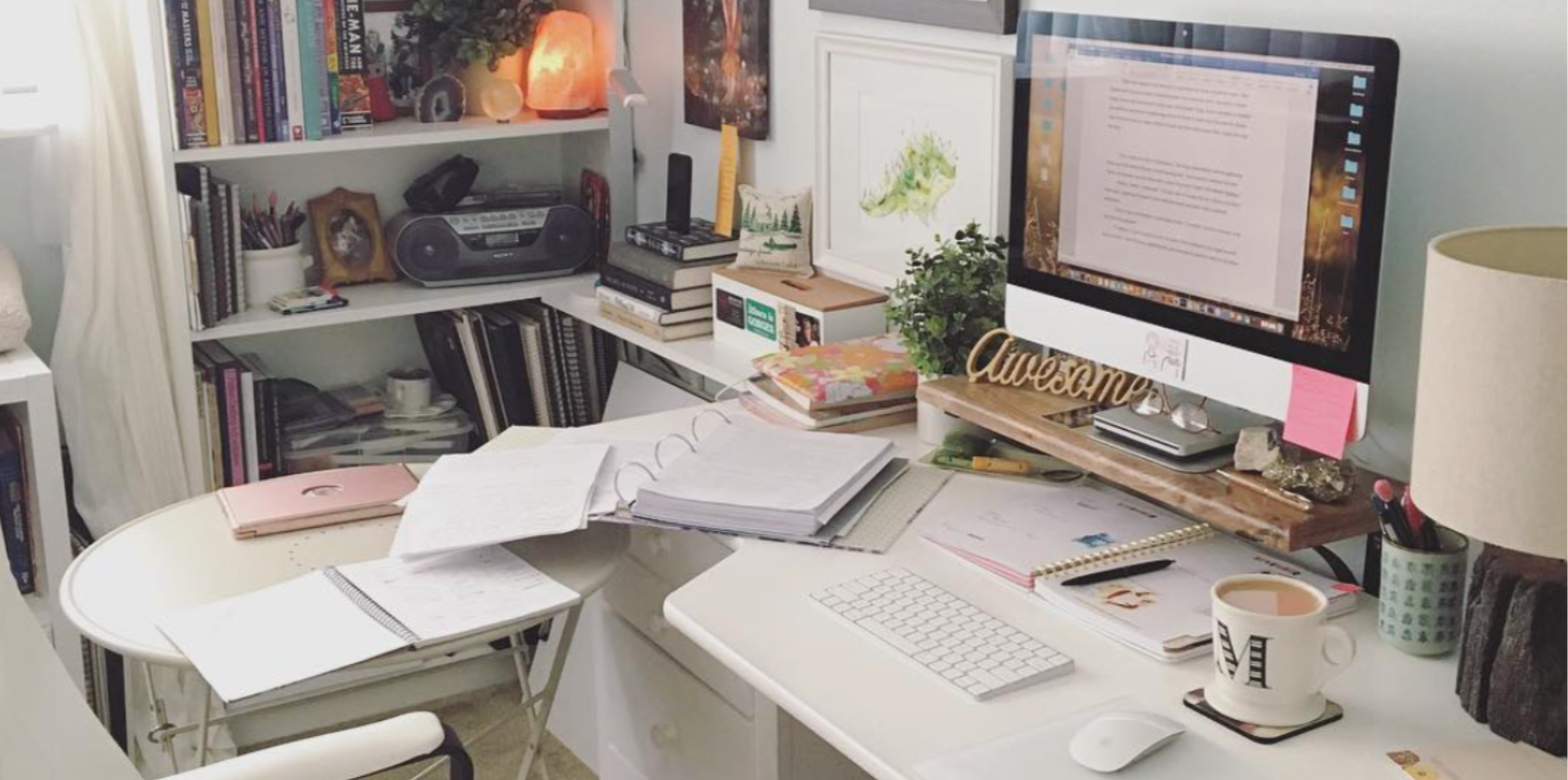
The Art of the Process
It took me years to understand that there’s a process to my writing. Years. Like, twenty of them. I started writing long-form stories in high school, where I’d scribble in notebooks during study hall or after my homework was done. (Or in class, or instead of my homework …) In college, creative projects were my focus, as most of my classes were writing, drawing, photography and filmmaking.
After college, writing became something I did “outside of work,” or “in my spare time,” and often work would drain me so much that it was hard to get anything on the page. It took me a while to give my own deadlines as much credence as deadlines set for me by others. I was also caught up with my own imposter syndrome, convinced that others would not take my writing seriously because I was not the “professional creative” I set out to be. I was only production, by title. I spent a lot of time that I should have been writing trying to learn how to become a “professional creative,” and looking for outside validation, and my creative work suffered for it.
It took me years to understand that there’s a process to my writing. Years. Like, twenty of them. I started writing long-form stories in high school, where I’d scribble in notebooks during study hall or after my homework was done. (Or in class, or instead of my homework …) In college, creative projects were my focus, as most of my classes were writing, drawing, photography and filmmaking.
After college, writing became something I did “outside of work,” or “in my spare time,” and often work would drain me so much that it was hard to get anything on the page. It took me a while to give my own deadlines as much credence as deadlines set for me by others. I was also caught up with my own imposter syndrome, convinced that others would not take my writing seriously because I was not the “professional creative” I set out to be. I was only production, by title. I spent a lot of time that I should have been writing trying to learn how to become a “professional creative,” and looking for outside validation, and my creative work suffered for it.
The interwebs are full of advice and tips on how to be a better, more productive creative person. I do think it’s helpful to look at The Creative Process from different angles and try new ways of doing things. I also think it’s easy to get so caught up in reading all the ways to be creative that you stop actually working and just read about how to do the work. (The Pinterest rabbit hole is a deep, bottomless chasm that I have spent far too much time free-falling in.) That perpetuates the anxiety that comes from not doing the work, which prompts me to then read more about how to do the work … it can become a relentless cycle.
But eventually, I figured out two critical key points: One – The Creative Process is ever-evolving, and Two – there is no one right Creative Process, there’s only the process that works for you.
Once that realization clicked, I felt the weight of the mountain of doubt I was carrying slip off of my shoulders. I felt proud of myself for that insight! And then I kicked myself for all the time I’d lost. And then I forgave myself because ultimately I learned from it.
(I’m a smart cookie! I’m also kind of dense. Chalk it up to my dual Gemini nature.)
My point is: I stopped making the process my focus, and instead concentrated my energy on the projects. And then I really got to work.
Focus is hard for me. I’ve always been a kid/tween/teen/young adult/not as young adult with far too many creative ideas in my head at any given time, most of them fleeting, but some that hold true potential. For example, right now, I am working on edits for Archwilde, and devoting my time and focus on that singular project. In my mind are three ideas for paintings that I would like to do, a rough draft of Book 2, and a murky space where a short story is starting to form for an anthology. The short story and the edits of Archwilde have defined deadlines, which I am working very hard to meet. The paintings really, really want to come to life, but will have to wait until I hit a road block in the edits. (That’s how I sort out my plot-knots, by rolling them around in my head while my hands and eyes are busy painting). At the moment, Book 2 is just a pile of notes and partially written scenes, and I won’t start writing that book in earnest until I’ve finished Archwilde.
Eventually I figured out my ‘flitting’ nature was not because I couldn’t focus on any one thing. Sometimes I have to shift gears to accommodate my own process and deadlines. Once I understood that, I was able to relax a little bit against the panic in my mind that tells me I’ll never get anything done. I have, and I do, when I work with my own process.
I tend to write best in the afternoon/evening. I’ve tried to get up and write in the morning but usually my brain takes at least an hour longer than my body to wake up, and I’ve found it’s best to go to the gym then. (That way, when my brain wakes up, it’s like “How did we get here? Are we done already? Cool! Let’s go get some cake.”) I get work-related stuff done the rest of the day, and in the afternoon/evening I get to writing.
When I sit down to write, it usually goes something like this:
Open up Word Doc that I’m working on.
Open Instagram. Scroll for a bit. Remember that I was working on something else. Set phone down once I’ve reached “You’re all caught up!” so I don’t miss as much with the stupid new algorithm.
Go Back to Word Doc. Read a scene or two, up to the point where I left off writing. Make some tweaks as I go. Pat self on back for all the writing I’ve already done. Reach the point where I’m supposed to start writing the new stuff.
Wasn’t there something on Pinterest I needed to look at? Or Amazon? I just remembered that I need to look for something that I don’t really need to get.
Go back to the Word Doc. Start and delete the same sentence five times.
Go to the kitchen, make some coffee. Find some cookies. Watch Instagram stories while I I wait for coffee to brew.
Bring coffee back to desk. Look at Word Doc while I sip. Get a sentence or two on the page. Sip some more coffee.
The cat is napping in the window and I cannot handle how cute he is. Get up and pet the cat, who is now super grumpy that I’m petting him. (But also purring really loudly. You don’t fool me, Fergus.)
Go grab a sweater or a throw blanket and sit back down.
Back to the Word Doc. Tweak the couple of sentences that I managed to write. Sip coffee. Type a little more.
Forget that I am sipping coffee as the words start to form on the page more and more.
(Weird trance-like void where the words flow and I forget that I am actually working.)
Reach for coffee – it is cold. Look at clock and realize I haven’t moved in an hour, except my fingers, which were typing furiously.
Get up and stretch, grumble about aches and pains, take Advil, warm up coffee, pet the cat, sit back down.
Go Back to Word Doc. Read back through what I just wrote. Make some tweaks as I go. Reach the point where I left off.
Start typing. The cat wakes up and decides to start begging for dinner by being destructive around the room. Keep trying to write. Remove cat from surfaces he’s not supposed to be on, every 10 minutes.
Repeat previous step for over an hour.
Give up and get cat dinner.
As long as I’m out there, I’ll make our dinner too.
Eat dinner, watch Netflix with The Husband.
Return to computer. Repeat Steps 1-5.
Finally get back into the writing zone, type until eyes start feeling like sand nuggets.
Close down computer and go to bed.
Lie awake for an hour with story rolling around in my head, but eyes too tired to type.
Sometimes, when I’m not feeling well or I am overloaded with life responsibilities, none of it gets done. Migraine days mean no staring at a screen and little desire to do anything but curl up with the cat and revel in my misery. Fibromyalgia brain fog days bring cognitive difficulty, and few words get put to paper, but at least I can paint or draw. Overloaded schedule days mean sometimes all I can do is roll through scenes in my mind before I drift off to sleep, or scribble sleepy, illegible notes in a notebook when I wake up. Even these situations are part of the process, though. They might be slow and mired in frustration, but they are still forward movement.
And forward movement is the goal.
If you are feeling like you aren’t the creative you would like to be, and you need The Creative Process to help fix that, I would recommend pouring yourself a nice cup or glass of something you enjoy, grabbing a notebook, and jotting down your own, personal creative process. Ask yourself:
What is it that you are already doing to move your creative project forward, even if it’s in small, incremental ways?
And what are you spending time on that is preventing you from doing more?
We all have life responsibilities that often take precedence, and that is okay. We all probably scroll through internet feeds too much, too. But is your quest to find the right process, or the validation of others, preventing you from making your own art? Maybe that time you’re spending on seeking those answers is time you could just be enjoying your own creativity.
Our own creative processes are ever-evolving. It took me 20 years to figure out that I didn’t have to fit into someone else’s idea of what a creative is, and I still struggle with Imposter Syndrome more often than I’d like. (Most of us who call ourselves creatives do!) But I’m starting to care less what others think, and just make my art for the joy of it.
Whether it’s taken you 20 years or two, it doesn’t matter, as long as you find you’re a-ha! moment and work with your own process. You can go ahead and kick yourself metaphorically if you want to, but only a little, and then give yourself a hug and a cookie and a moment of forgiveness. Your process has been there all along, like the ruby slippers’ magic. Click your heels and take yourself forward in whatever way works best for you, and don’t worry about “the right way.” Just focus on your own way and see what happens.
The preceding is a blog post from the archives, written in 2019, but still relevant to the writing and creative process of bringing Archwilde to fruition.
Sunshine Through The Brain Fog
Imagine you created a fictional world and everyone/everything in it, then rewrote parts of it slightly differently in each decade of your life, until your 40s where it all finally came together in (what you hope is) the book it was always supposed to be.
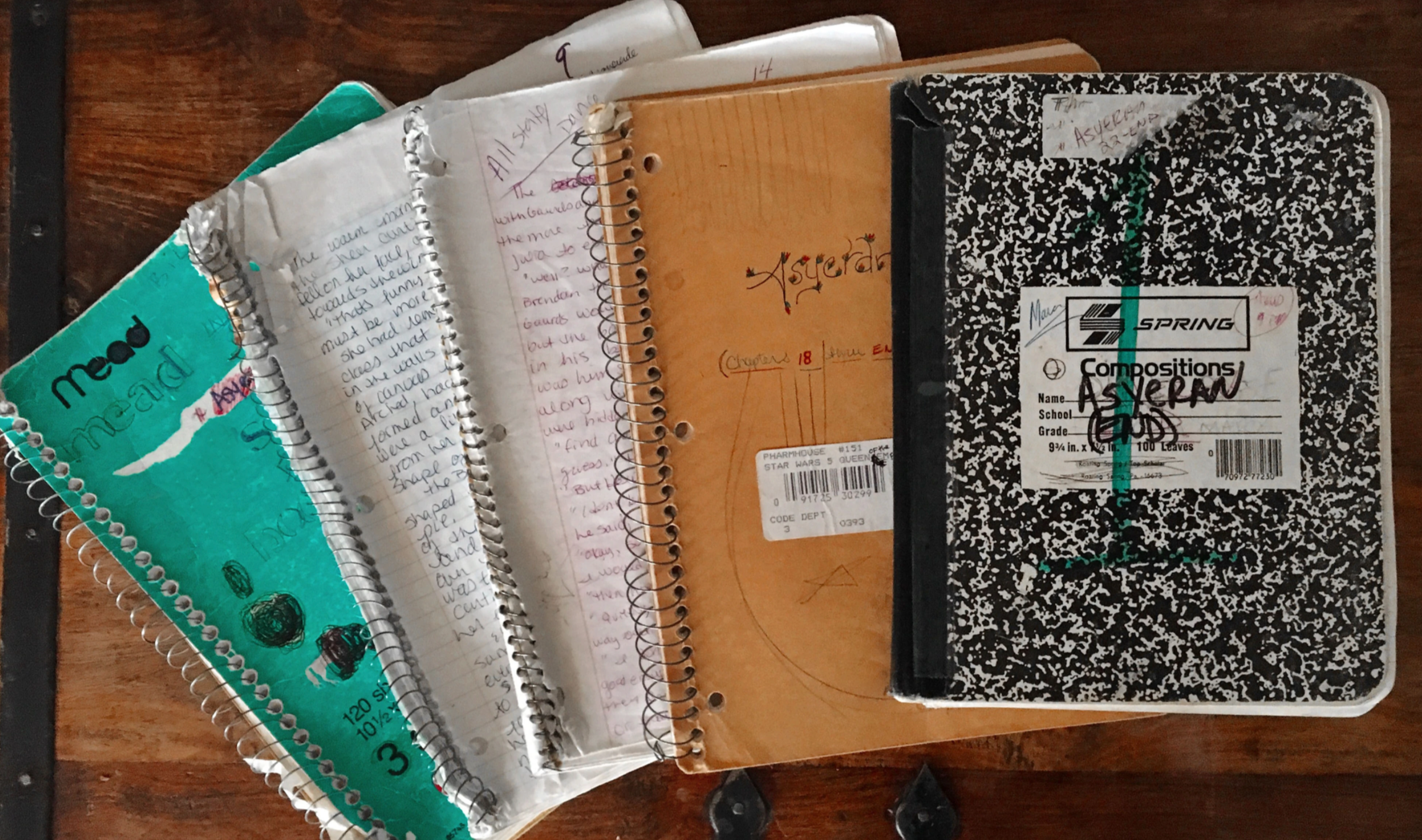
We're talking decades of inventing new characters, cutting old characters, new plot twists, deepening of storylines, building and re-building of the world and its cultures, character evolutions, name changes and so forth. There's so much world, so many people and through-lines and stakes, and it's all in tattered notebooks, various types of computer files and mostly, your head.
And then, just when it's all coming together, your brain decides "You know what? Stress and some health issues have kind of pushed me into a big-ass ball of 'nope.' So I'm gonna force you to slow your ass down with a little tune I like to call Fibromyalgia."
Imagine you created a fictional world and everyone/everything in it, then rewrote parts of it slightly differently in each decade of your life, until your 40s where it all finally came together in (what you hope is) the book it was always supposed to be. We're talking decades of inventing new characters, cutting old characters, new plot twists, deepening of storylines, building and re-building of the world and its cultures, character evolutions, name changes and so forth. There's so much world, so many people and through-lines and stakes, and it's all in tattered notebooks, various types of computer files and mostly, your head.
And then, just when it's all coming together, your brain decides "You know what? Stress and some health issues have kind of pushed me into a big-ass ball of 'nope.' So I'm gonna force you to slow your ass down with a little tune I like to call Fibromyalgia."
And you're like, "Come on, Brain. I really need you to work right now. I am sooo close to hitting deadlines I've set for myself with this book, and I have a bitchin' idea for a sequel. I have to get through these rewrites."
And your brain's like "Look, I get that. But here's the thing - this pile of stress junk-mail that's been accumulating for the last five years is taking up all of my processing power. I've been trying to warn you for years with friendly reminder migraines that this was becoming an issue for me, but you didn't slow your roll."
And you're like, "Oh - that's what those were? I thought that was hormones."
And your brain's like, "Nope. Those were 'warning, inbox approaching full' messages."
And you're like, "Oh. Shit."
And your brain's like, "Look, I'm all for working on this book, but you gotta clean out your inbox first."
And you're like, "Ok, how long is that going to take?"
And your brain's like, "Hahaha. Well, how fast can you open, read, and either file or shred all of this junk mail?"
And you're like, "Oh. Shit."
And your brain's like, "Yeah. Gotta do the work."
And you're like, Sigh. "Okay. But can you at least give me some inspiration and productivity amidst the junk-mail-clearing process?
And your brain's like, "Absolutely. IF you can balance it and not let more junk mail pile up."
And you're like, "Oh! Totally! I'm an amazing multitasker! Have you not seen my work history? I was a Production Coordinator Extraordinaire! That's ALL I did - multitask like nobody's business!"
And your brain's like, "Uh, Lady, that's how we got in this situation in the first place. We need to completely reconfigure how you tackle things."
And you're like, waving it off, already on four tasks at once. "Sure thing, Brain. No worries. I can do that."
And your brain's like, "Nope." wraps itself in something fluffy and cottony. "POOF! Brain fog."
And you're like, " ... I .... can't ... words ..."
And your brain's like, "That's better. Now. Let's try this again. Rest, exercise, hydrate, sort through emotional stressors. One task at a time, one foot in front of the other. And no sugar binging."
And you're like, Sigh. "Okay." does the work, starts feeling better. "Oh hey, you're right! This works!"
And your brain's like, "Great! Let's keep this up! Here's a little inspiration, too. You've earned it."
And you're like, "OMG, thank you!" proceeds to write until 1 am ahead of a packed few days, gets no sleep because mind won't stop racing with story. "Uggh, so tired. Gotta go do all the things today, and tomorrow, and the next two days. And I forgot breakfast. NEED CAKE. AND COFFEE. AND FRENCH FRIES. No time to meditate. Why is everything too loud and bright and why do I want to cry? What is wrong with me? Am I dying? I must be dying! WHY AM I TALKING SO MUCH?"
And your brain's like, sigh. "Let's try this again." wraps itself in something fluffy and cottony. "POOF! Brain fog. And also, here's a crap-ton of pain. Because you need to learn, dumbass."
And you're like, Sigh. "You're right, Brain. I was feeling so good for a bit there I forgot about this Fibromyalgia thing."
And your brain's like, "I getcha. But hey, if you don't keep up with this, and really do the work, it's just going to get shittier. Do you understand?"
And you're like, Firm nod. "Yes. I completely understand. I know what I have to do. Thank you for the reminder."
(Repeat the above cycle for the better part of two years. Which brings us to the present ...)
And now your brain's like, "Ok. So. This last round I threw in some scarier stuff because I really want to get your attention before things get worse."
And you're like, "I get you this time. I know I suck at sticking to things. I always have. But I get it now. And look, I'm really tired of feeling shitty all the time. I left the crazy work stuff behind me, I've been working on that junk mail pile (Damn! It's huge!) and I have been reading all the books and information I can on how to get through all of this and make a positive lifestyle change. I think I might finally be at the point where I get it."
And your brain's like, "I've known you for forty-something years. We'll be through this again, I'm sure. But I believe you, and I'm here for you. Just try and remember - you have some element of control over this, but you have to make the effort."
And you're like, "Thanks, Brain. I'm sorry I keep beating you up."
And your brain's like, "It's all good. We're in this together. Let's go call up Heart and maybe have a little chat about self-compassion, shall we?"
And you're like, "That sounds nice. And I'd really like to finish my book and write the next one, you know."
And your brain's like, "Let's do this work, and I think that'll help you do the writing work."
And you're like, "Cool." practices mindful breathing which has now become a habit instead of a forced-reminder thing. "Hey! Look what I did there!"
And your brain's like, "Good job! See? You can do this."
And you're like, "Yes. I can."
The preceding is a blog post from the archives, written in 2019, but ever relevant to navigating my writing and creative process with a chronic illness.
The Origins of Archwilde
I am feeling nostalgic about the journey this book has taken to come to fruition. I wrote the first draft of it while I was in high school, in spiral-bound notebooks and purple pen ink. It has been through many versions and rewrites since those days, but the spirit of the story has stayed the same. I set out to write a story that I wanted to read.